
Must-Read Books
Every book here supports independent thinkers and researchers challenging the status quo in health.
Disclosure: Some links are affiliate links. As an Amazon Associate, War on Wellness earns from qualifying purchases at no extra cost to you.
-
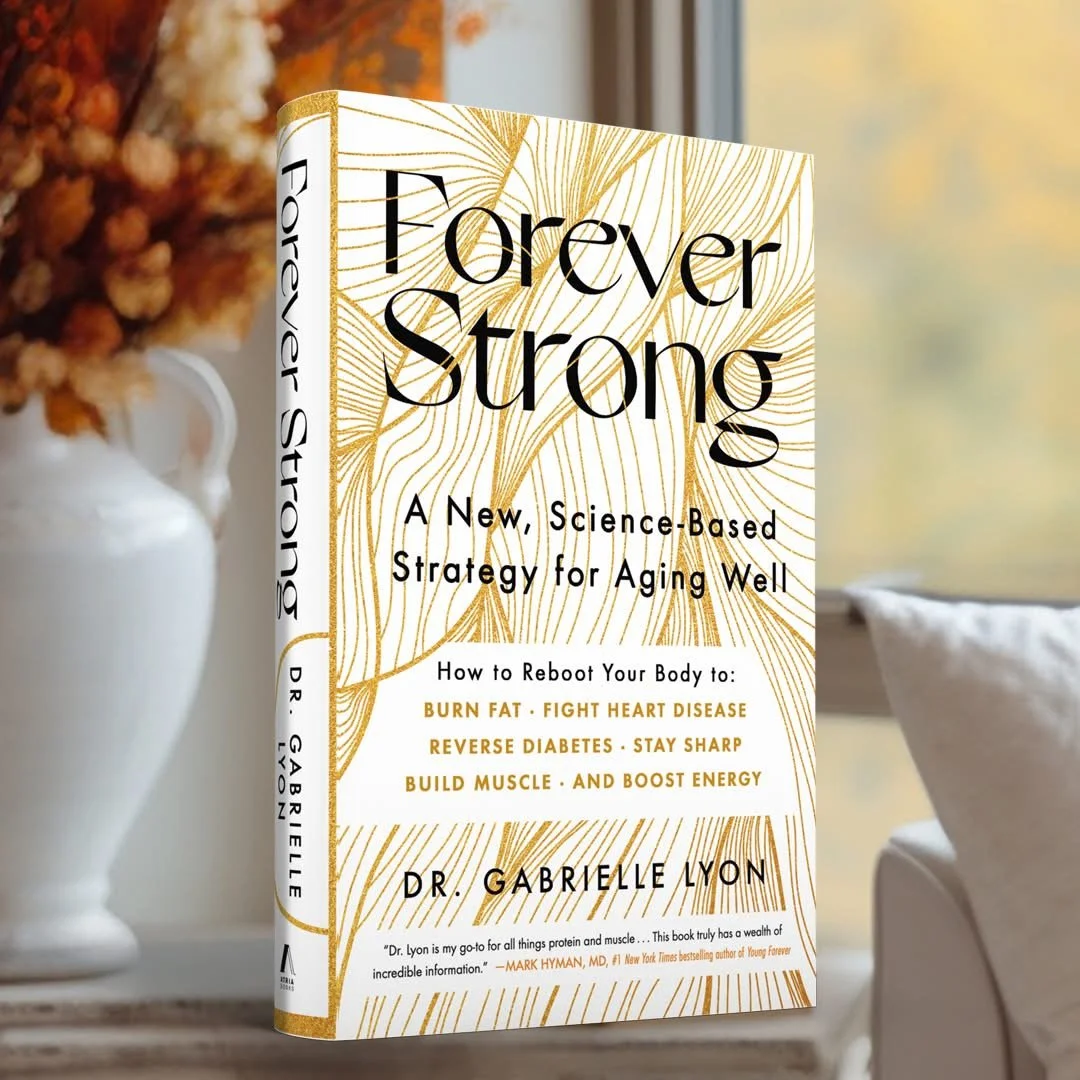
Forever Strong
A science-based guide to longevity centered on muscle health.
Dr. Gabrielle Lyon explains why skeletal muscle is one of the most overlooked organs in aging, metabolism, and disease prevention—and how building and preserving it is foundational to long-term health. -
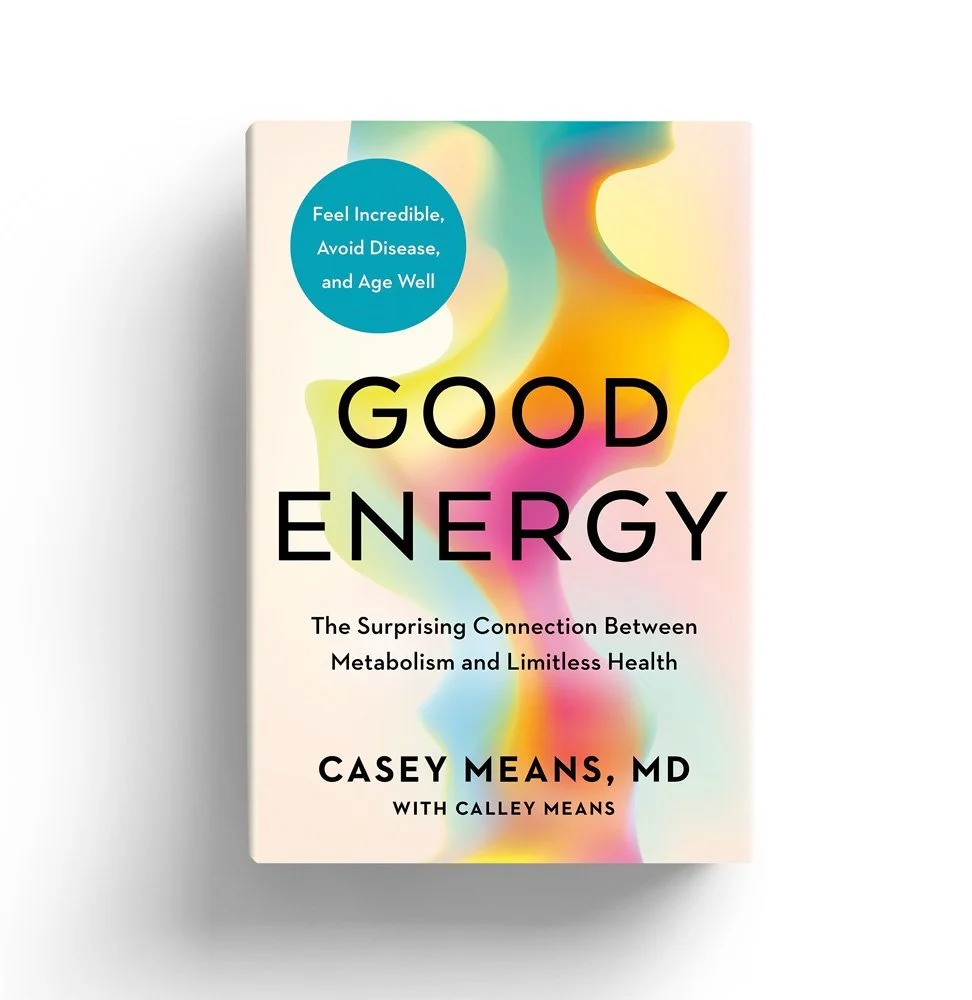
Good Energy
A clear framework for understanding metabolic health at the cellular level.
Dr. Casey Means connects modern chronic disease to energy dysfunction and shows how restoring metabolic balance can improve mental, hormonal, and physical health. -
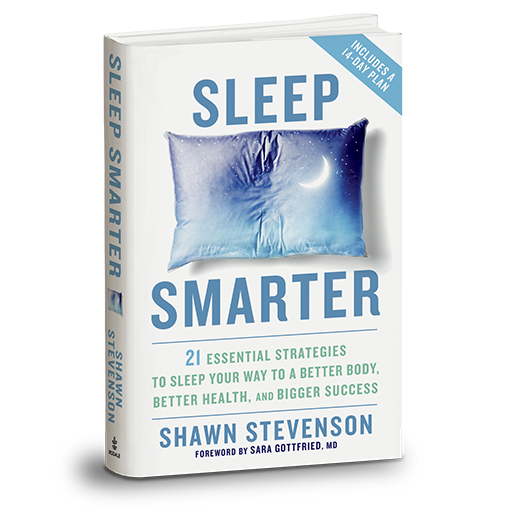
Sleep Smarter
A practical guide to optimizing sleep for better health and performance.
Shawn Stevenson breaks down how sleep impacts metabolism, immunity, cognition, and longevity—and how small changes can dramatically improve sleep quality. -
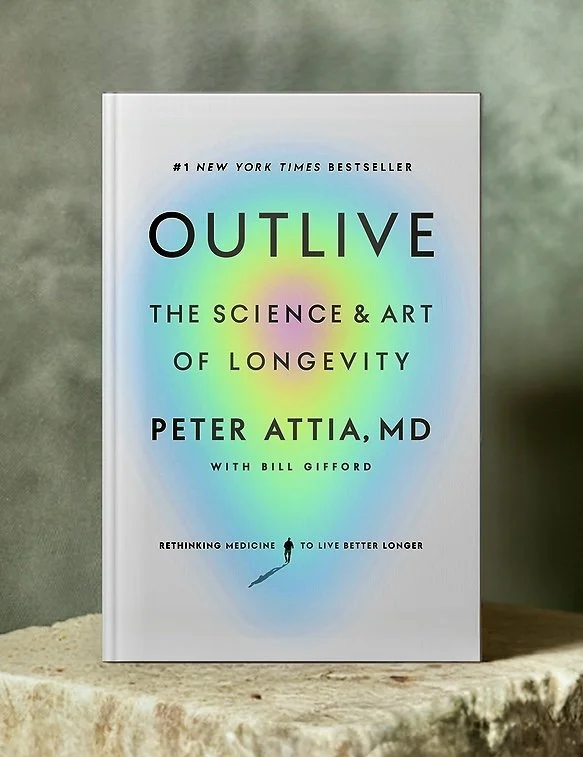
Outlive
A preventative, long-term approach to health and longevity.
Dr. Peter Attia challenges reactive medicine and outlines strategies for reducing chronic disease risk while extending both lifespan and healthspan. -
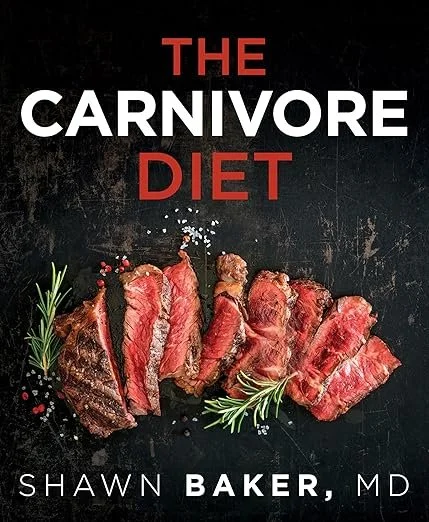
The Carnivore Diet
A provocative exploration of a meat-based approach to nutrition that challenges long-standing dietary assumptions. Dr. Shawn Baker examines the science, history, and real-world outcomes behind carnivore eating.
This book is less about dogma and more about questioning what we’ve been told — offering readers a framework to evaluate metabolic health, inflammation, and individual response to food.
-
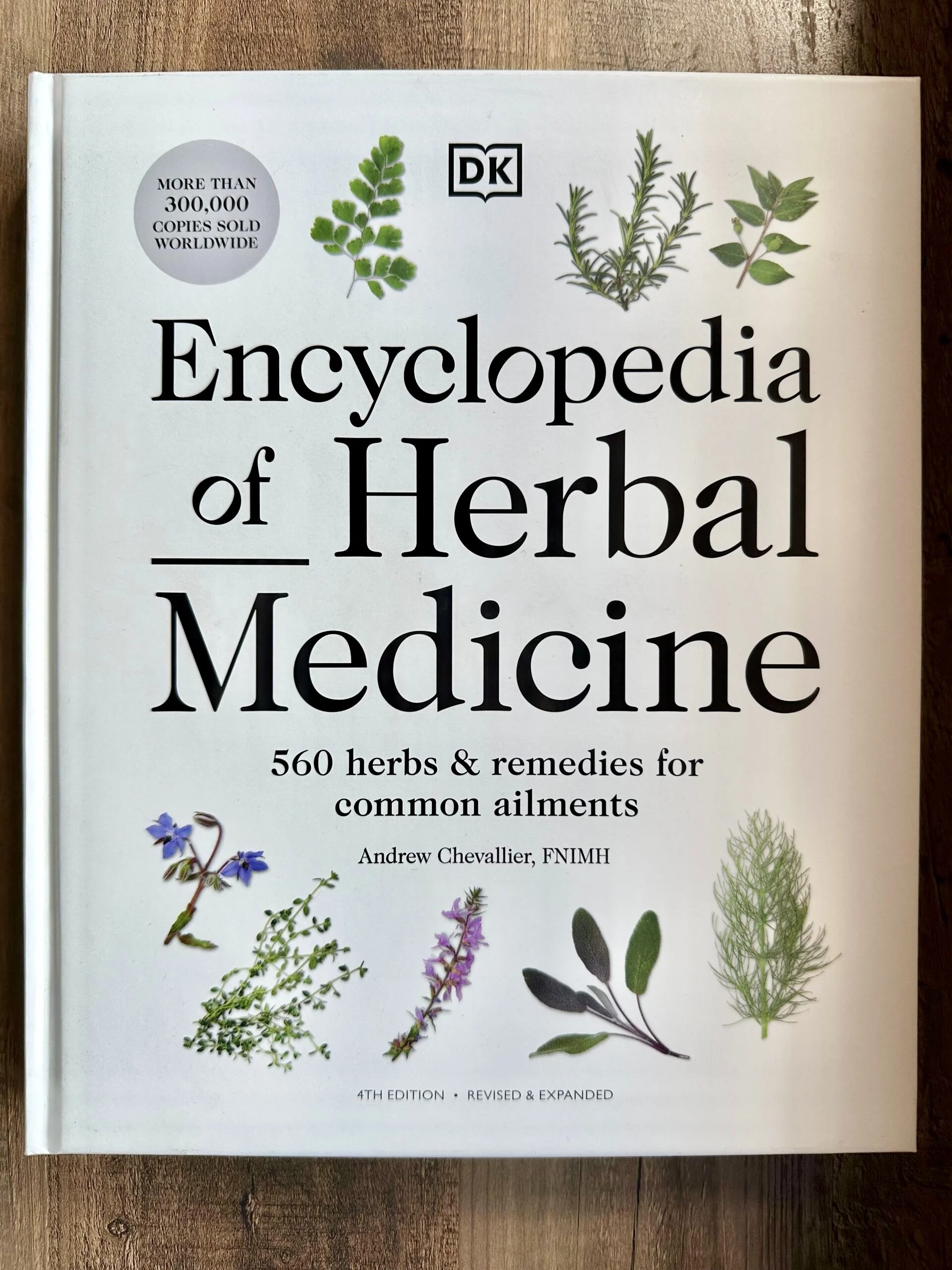
Encyclopedia of Herbal Medicine
A comprehensive reference guide to medicinal herbs and their traditional and modern uses. This encyclopedia bridges ancient herbal knowledge with contemporary research and practical application.
Ideal for anyone interested in natural remedies, plant-based medicine, and understanding how herbs have supported human health across cultures and centuries.
-
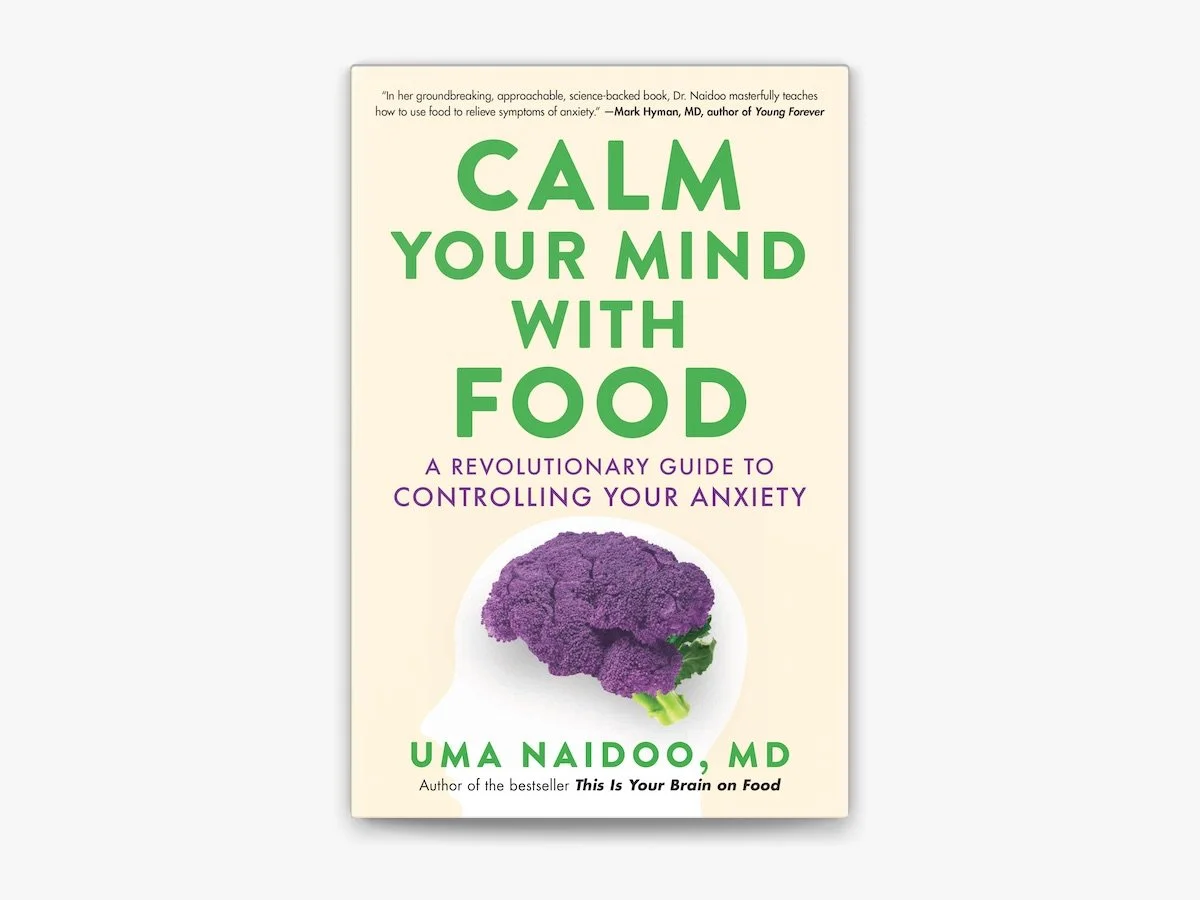
Calm Your Mind With Food
An evidence-based look at how nutrition influences anxiety, mood, and brain health. Dr. Uma Naidoo connects the gut, immune system, and nervous system through emerging nutritional psychiatry research.
The book offers practical insight into using food as a tool for mental resilience — without relying on restrictive diets or oversimplified solutions.
-
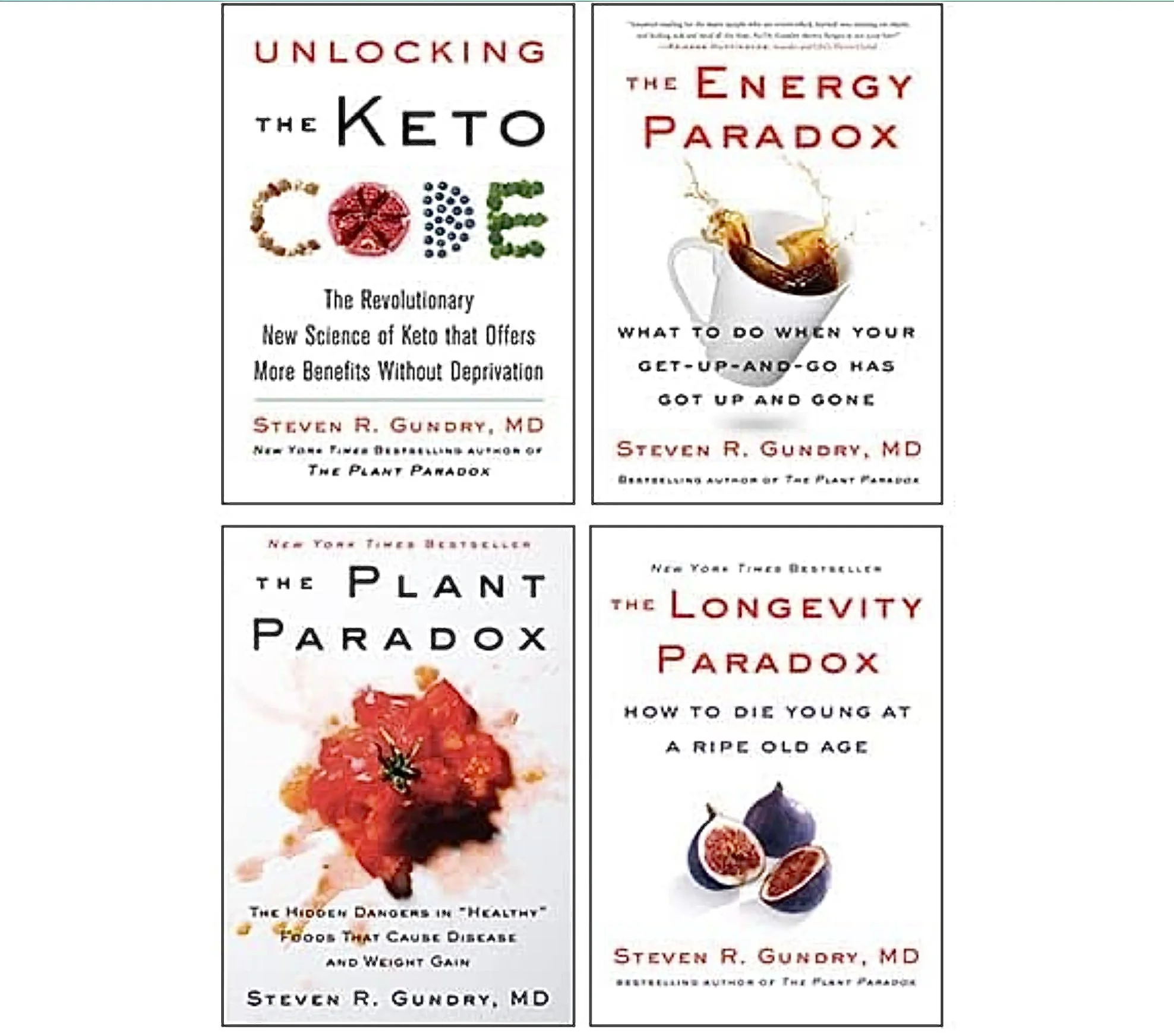
Dr. Gundry 4 Book Collection
A bundled collection covering inflammation, gut health, longevity, and metabolic dysfunction. Dr. Steven Gundry explores how modern foods and environmental factors may disrupt human biology.
These books are designed to provoke critical thinking around chronic disease, offering mechanisms, hypotheses, and dietary strategies grounded in evolutionary and clinical perspectives.
-
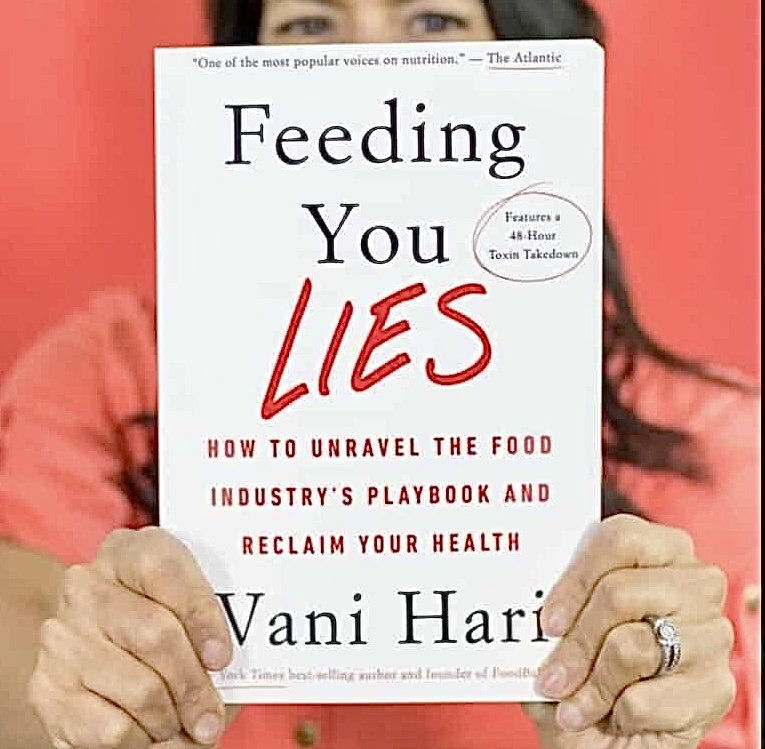
Feeding You Lies
Contradictory nutrition advice didn’t happen by accident.
This book breaks down how corporate interests, weak science, and marketing tactics shaped modern food guidance—often at the expense of public health. Vani Hari examines labeling loopholes, nutrient claims, and industry-funded research to help readers better understand what they’re actually consuming and why confusion persists.
-

The Anxious Generation
A deep look at what changed—and what it’s doing to kids.
Jonathan Haidt examines the sharp rise in anxiety, depression, and social withdrawal among young people, tracing it to shifts in technology, social media, and childhood norms. The book combines data, psychology, and cultural analysis to explain how modern environments are shaping mental health.
-
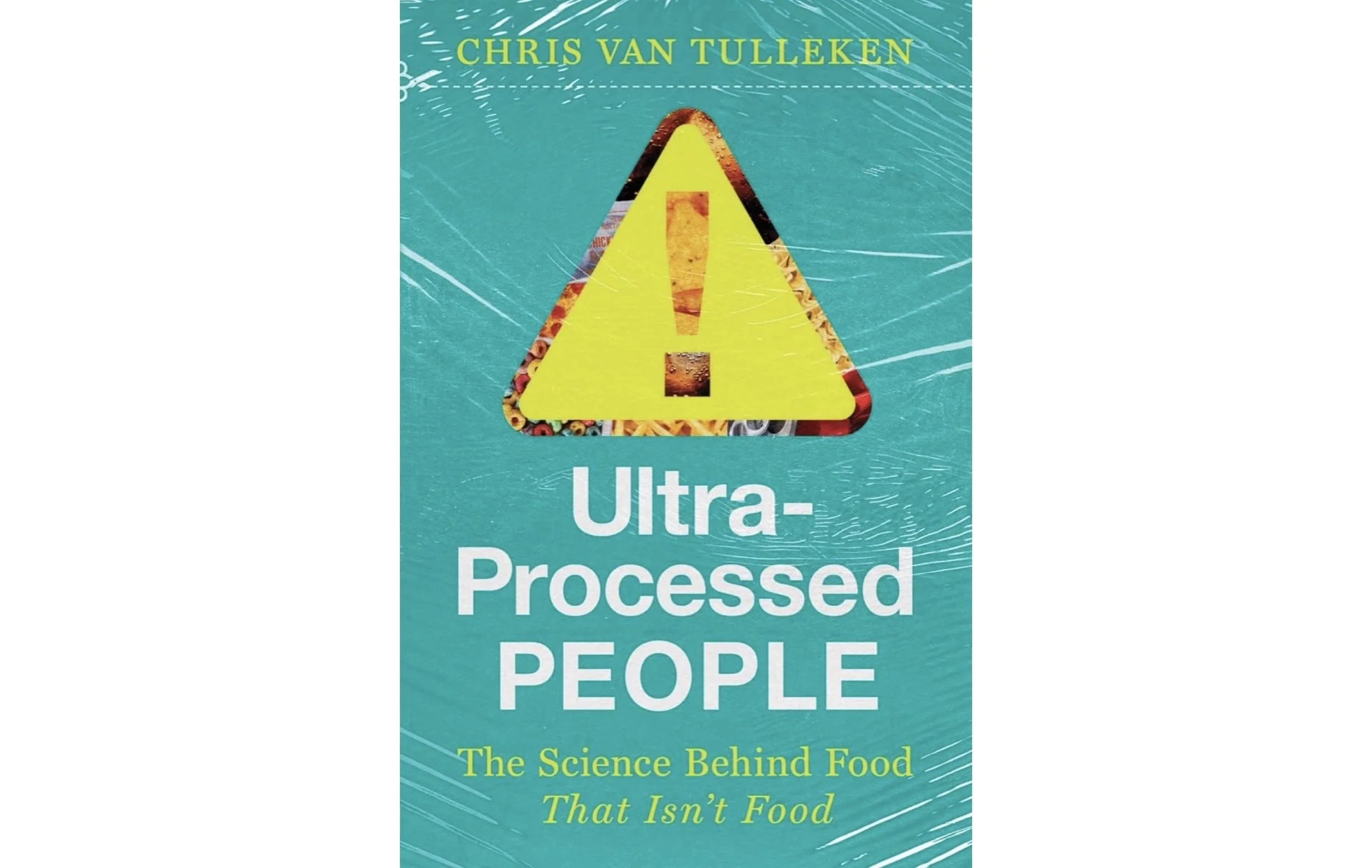
Ultra-Processed People
Food didn’t just change—our bodies did too.
This book explores how ultra-processed foods impact metabolism, appetite, and long-term health beyond calories alone. Chris van Tulleken breaks down what qualifies as ultra-processed, why it dominates modern diets, and how these foods affect behavior, biology, and disease risk.
-
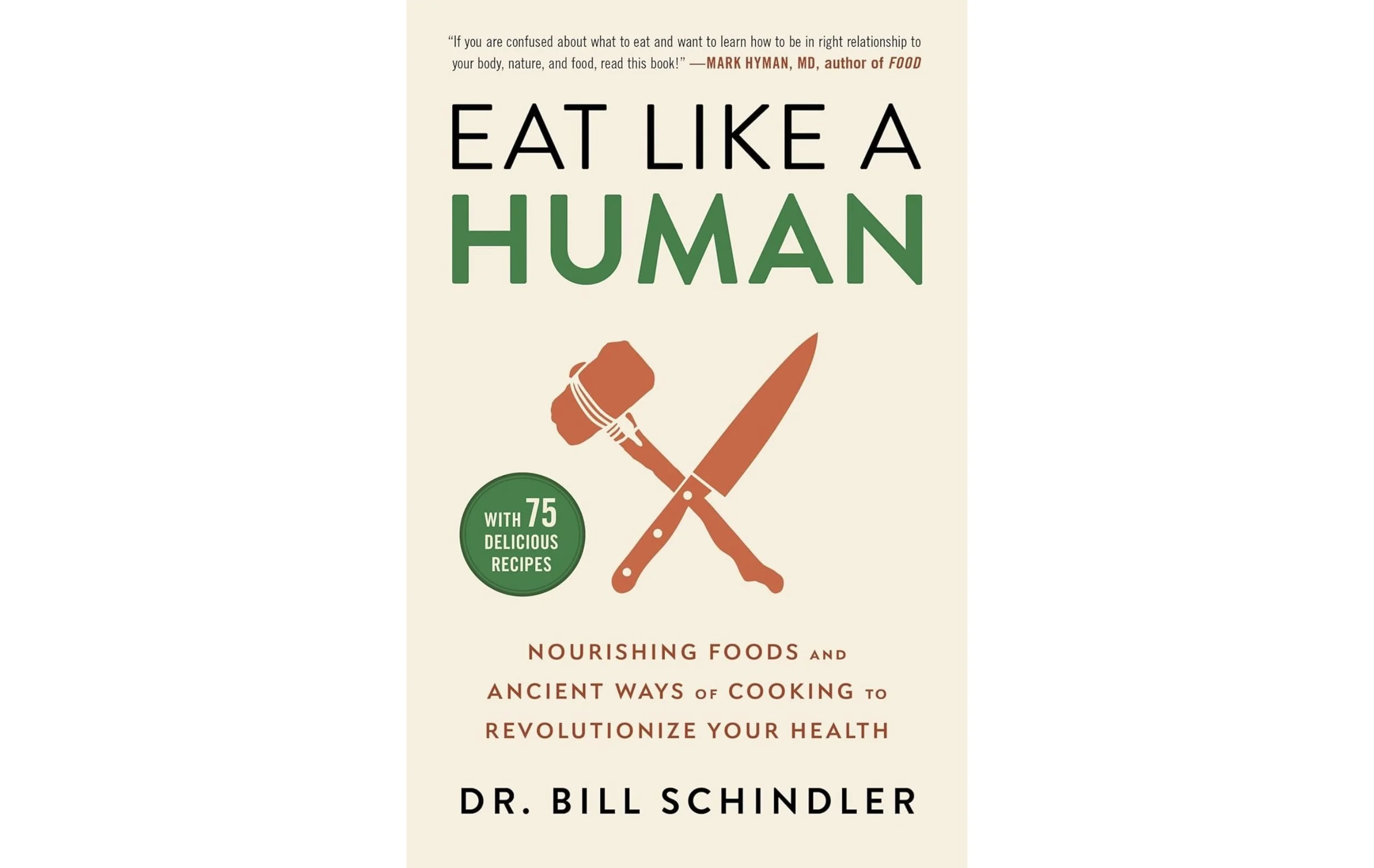
Eat Like A Human
Modern diets created modern problems.
Dr. Bill Schindler looks at how industrial food systems disrupted our relationship with eating and health. Drawing from anthropology, nutrition, and ancestral food practices, this book reframes how humans evolved to eat—and why simplicity, preparation, and context matter more than dietary labels.
-
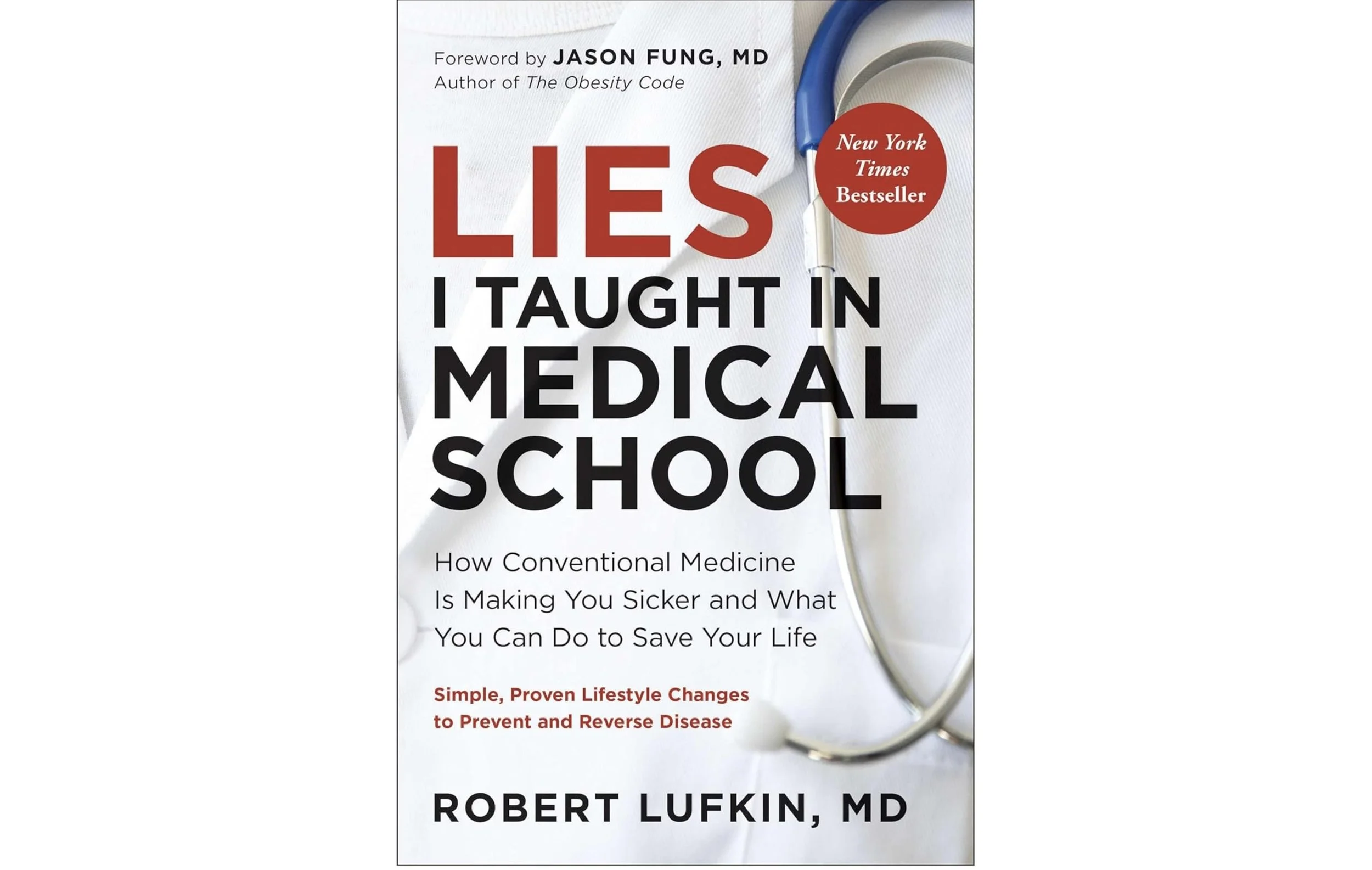
Lies I Taught In Medical School
Modern medicine isn’t broken by accident.
Dr. Robert Lufkin examines how profit-driven systems, outdated training, and reductionist thinking shaped today’s healthcare model. The book explains why chronic disease continues to rise despite advanced technology—and how lifestyle, prevention, and metabolic health were pushed aside in the process.
-
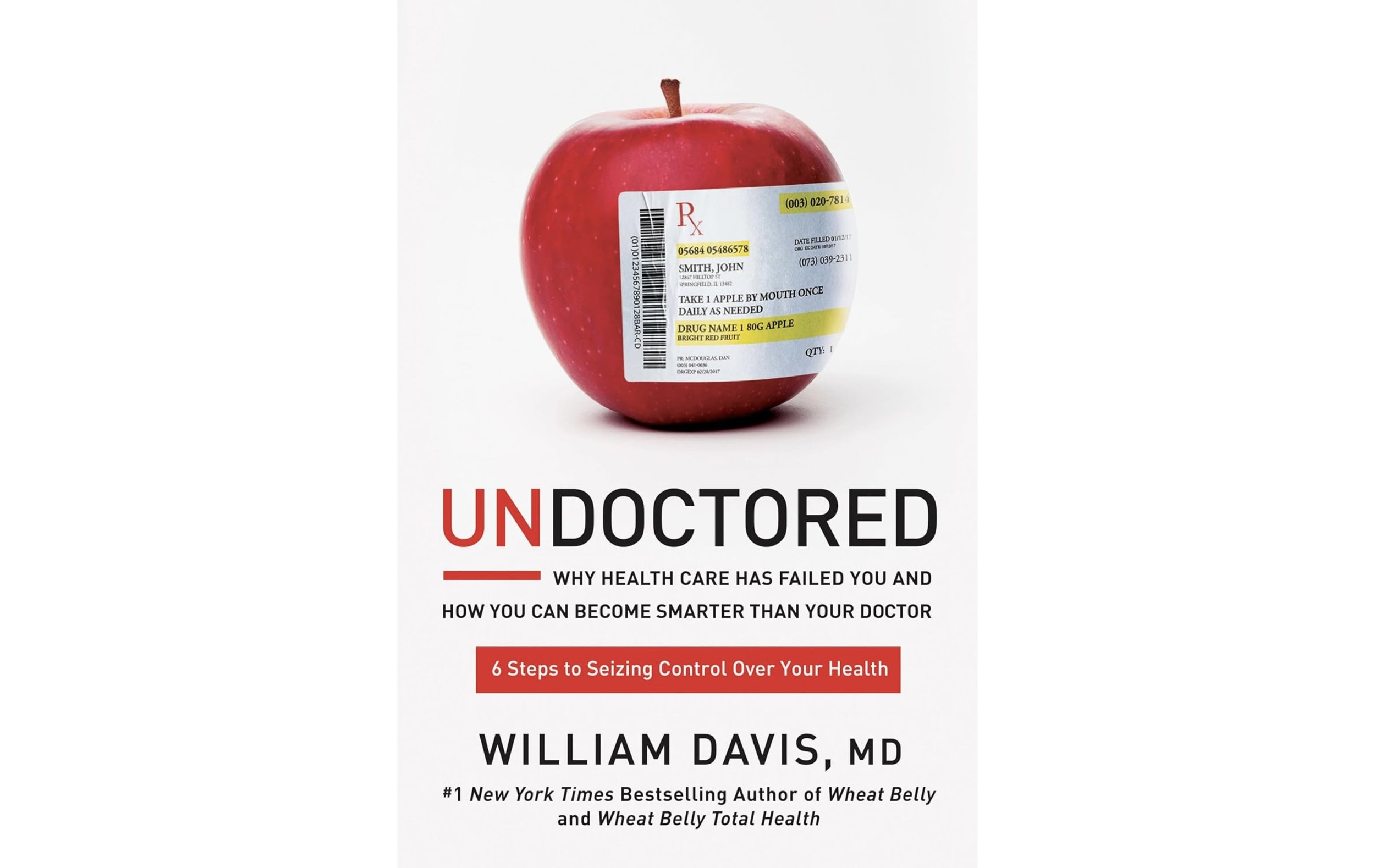
Undoctored
Healthcare often manages symptoms, not causes.
Dr. William Davis explores how guidelines influenced by industry interests lead to unnecessary medications and procedures. This book encourages patients to question conventional advice, understand root causes of disease, and take a more active role in their long-term health decisions.
-
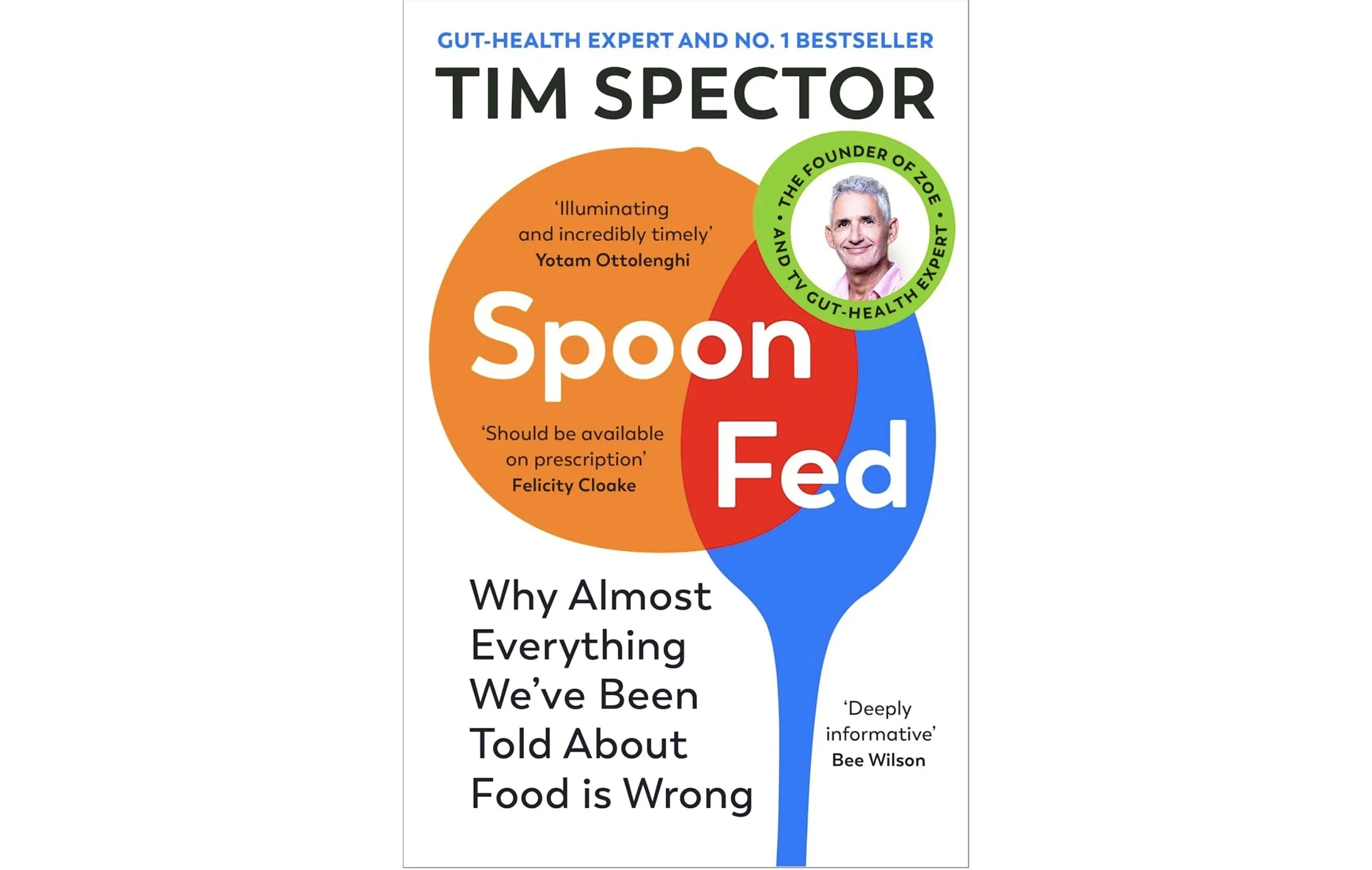
Spoon Fed
Much of what we’re told about nutrition is oversimplified—or wrong.
Tim Spector breaks down why popular dietary advice often fails, highlighting the complexity of metabolism, gut health, and individual response. Using modern research, this book explains why one-size-fits-all nutrition rarely works in practice.
-
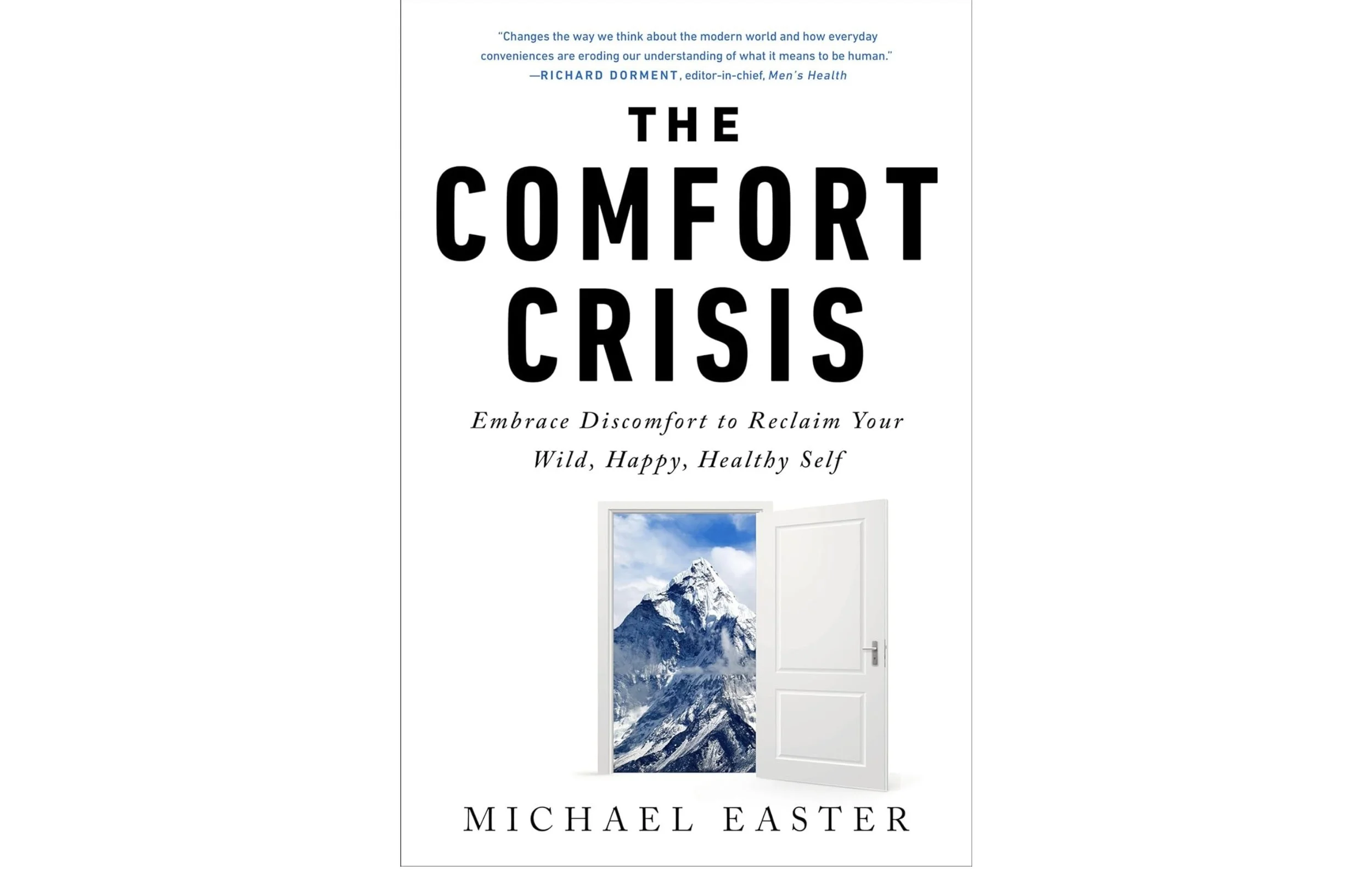
The Comfort Crisis
Comfort has quietly reshaped human health.
Michael Easter investigates how modern convenience affects physical resilience, mental strength, and overall well-being. Through science and real-world examples, the book explores why controlled discomfort—movement, challenge, and exposure—may be essential for a healthier life.
-
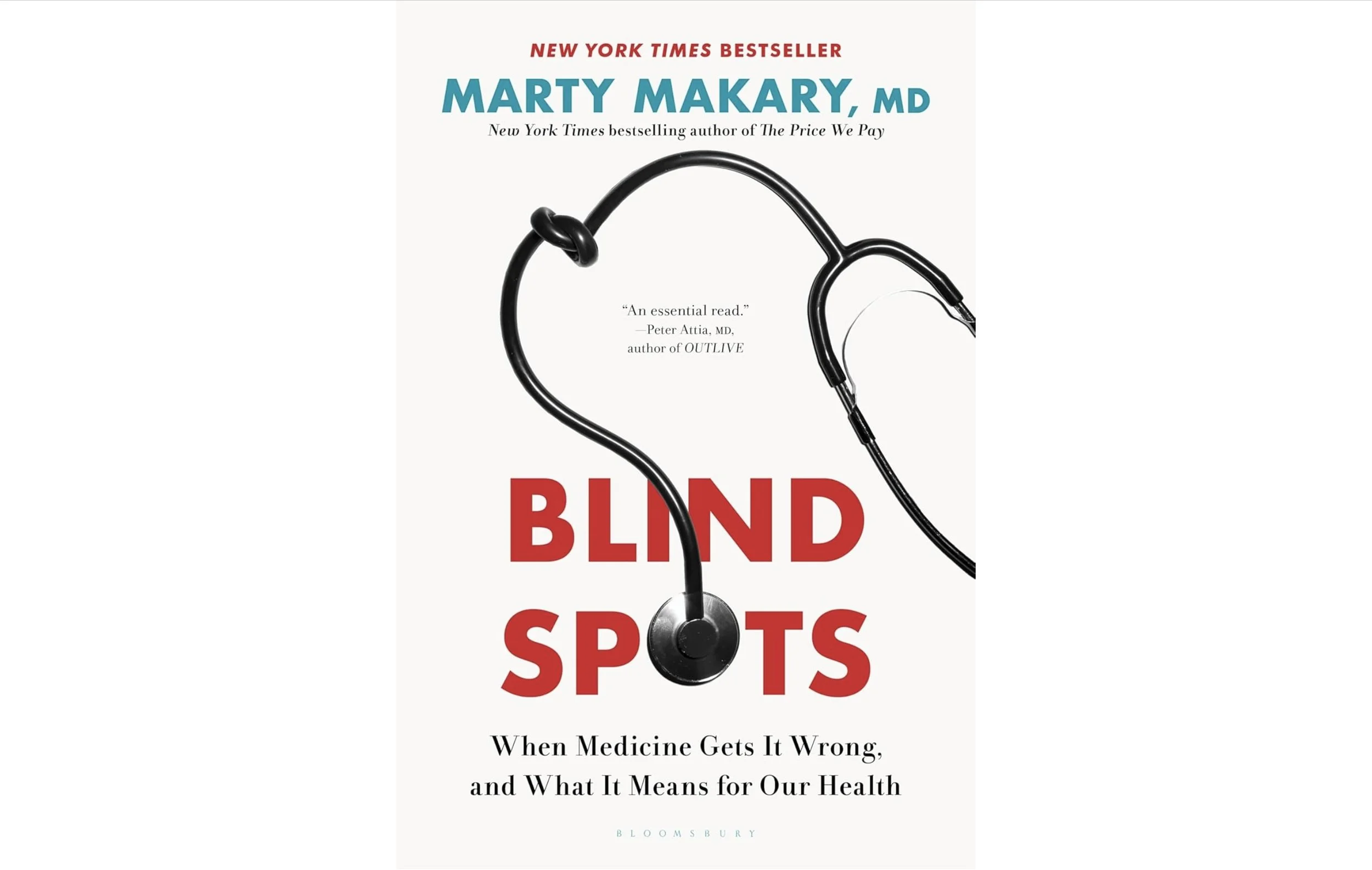
Blind Spots
Modern medicine excels in acute care—but struggles with chronic disease.
Dr. Marty Makary examines how rigid guidelines, institutional incentives, and outdated assumptions can distort medical decision-making. Drawing from research and real-world cases, this book highlights where healthcare goes wrong—and why questioning consensus matters for long-term health.
-
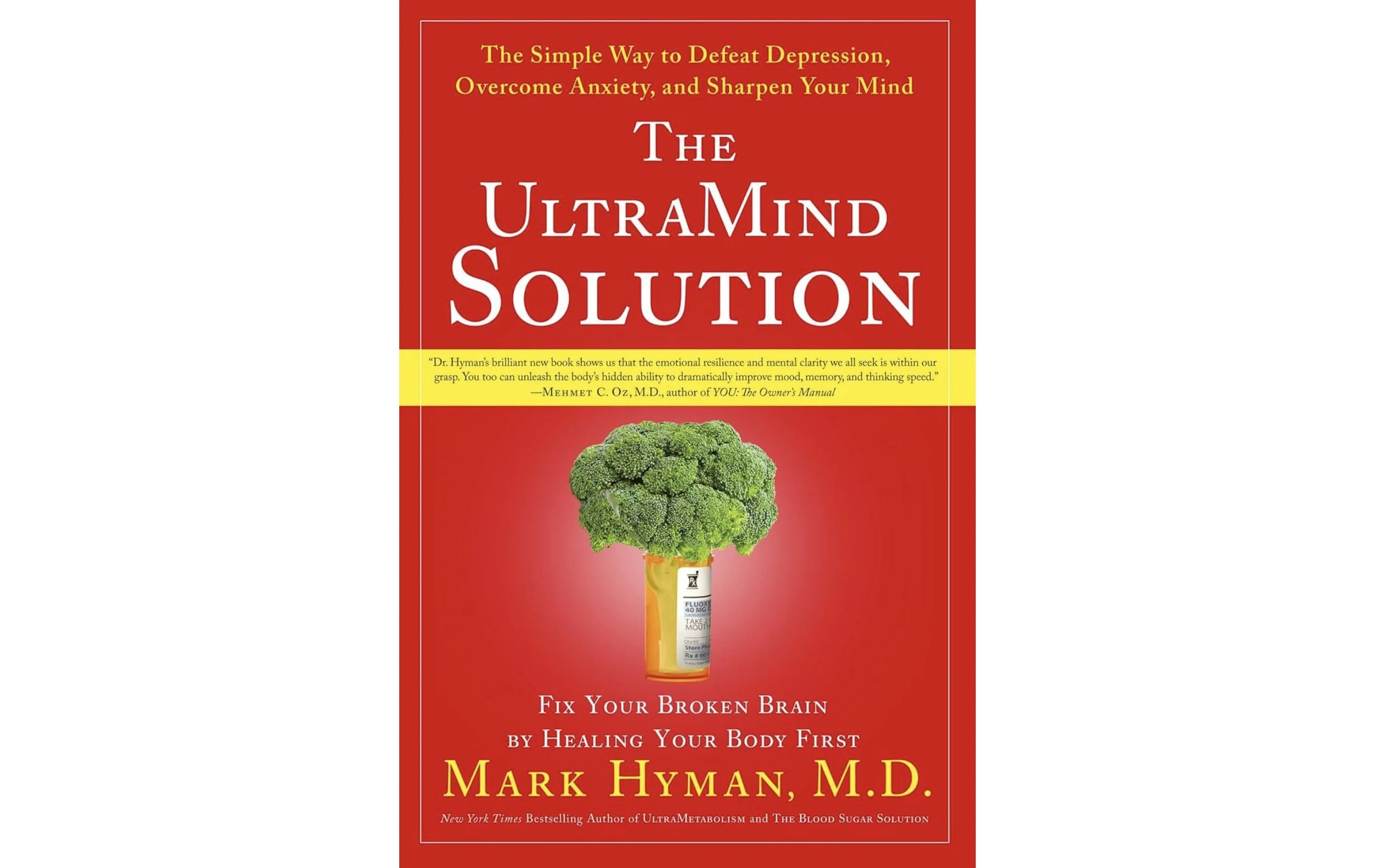
The UltraMind Solution
Mental health is deeply connected to metabolic health.
Dr. Mark Hyman explores how inflammation, blood sugar imbalance, and nutrient deficiencies influence mood, cognition, and brain function. This book reframes depression and anxiety through a functional medicine lens, focusing on underlying biological drivers rather than symptom suppression.
-
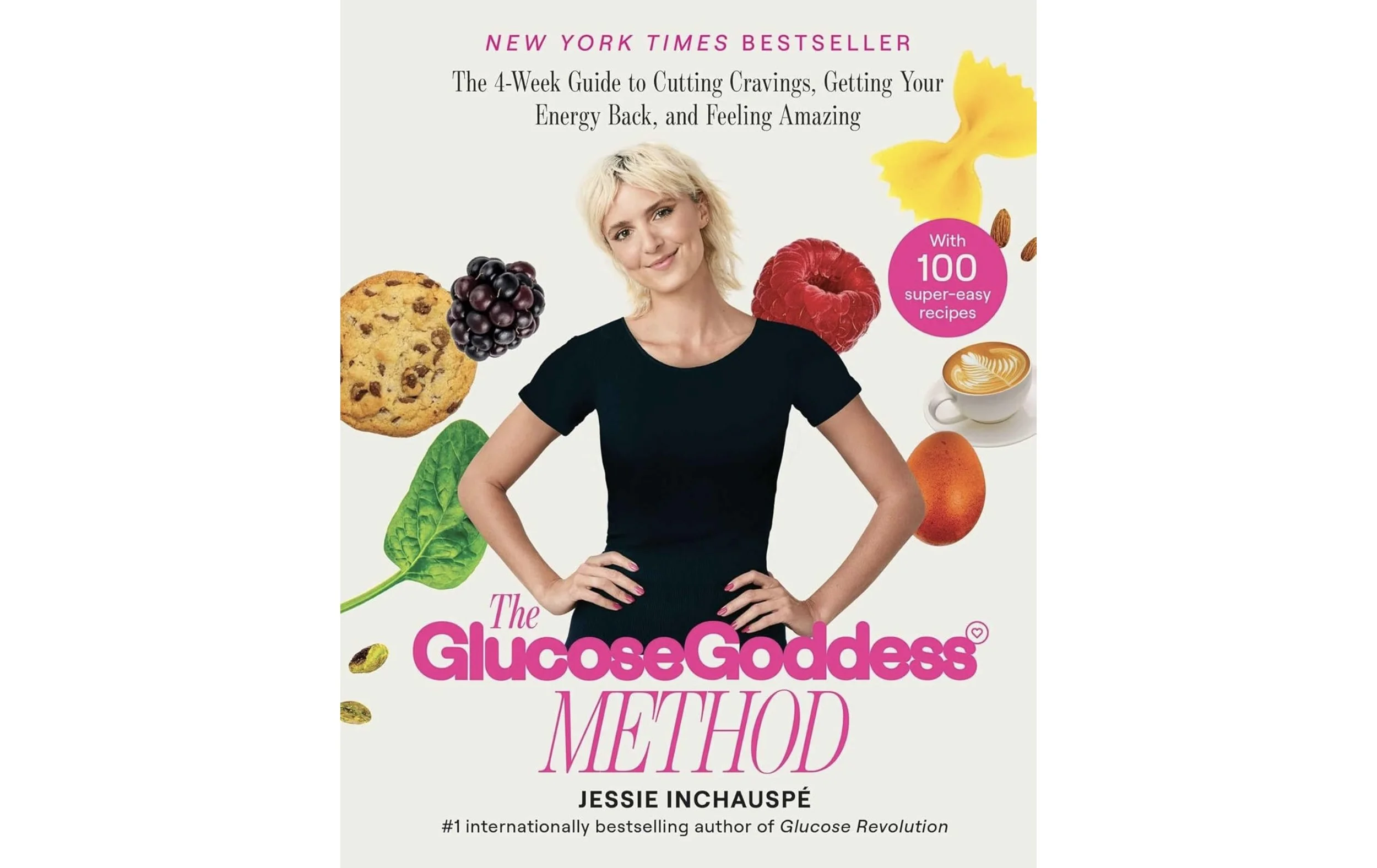
The Glucose Goddess Method
Blood sugar swings affect far more than diabetes risk.
Jessie Inchauspé explains how daily glucose fluctuations influence energy, cravings, mood, and long-term health. Using simple, practical strategies, this book shows how small changes to food order and habits can help stabilize glucose without strict dieting.
-
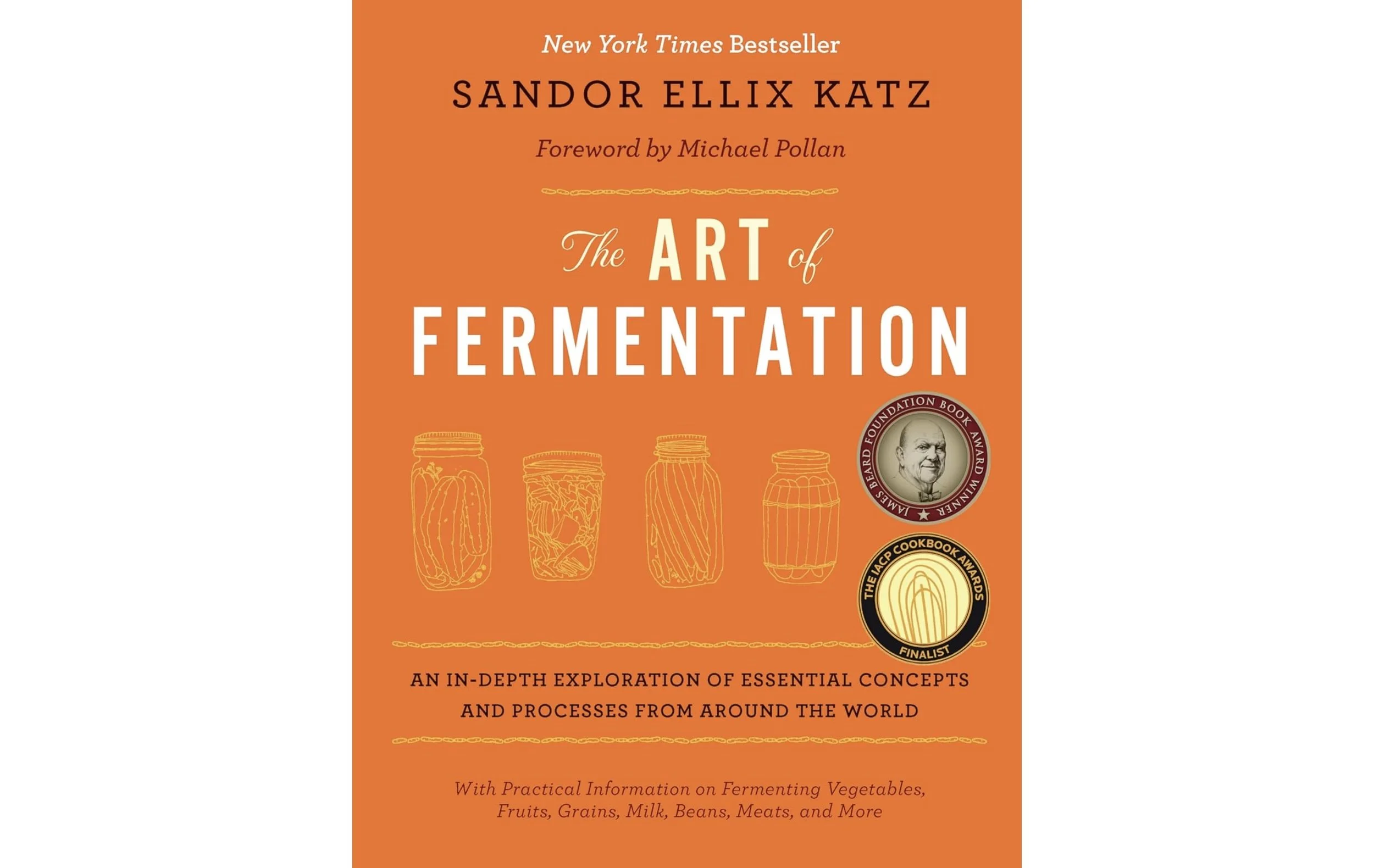
The Art of Fermentation
Fermentation is both ancient tradition and modern science.
Sandor Katz offers a comprehensive exploration of fermented foods—from vegetables to dairy—explaining their cultural roots, health relevance, and practical preparation. This book serves as both a reference and a guide for restoring traditional food practices.
-

The Probiotic Diet
Gut health influences far more than digestion.
This book explores how probiotics affect immunity, inflammation, and overall health, while separating evidence-based benefits from marketing claims. It provides a practical framework for understanding how microbial balance supports resilience—and why gut health is foundational to long-term wellness.
-
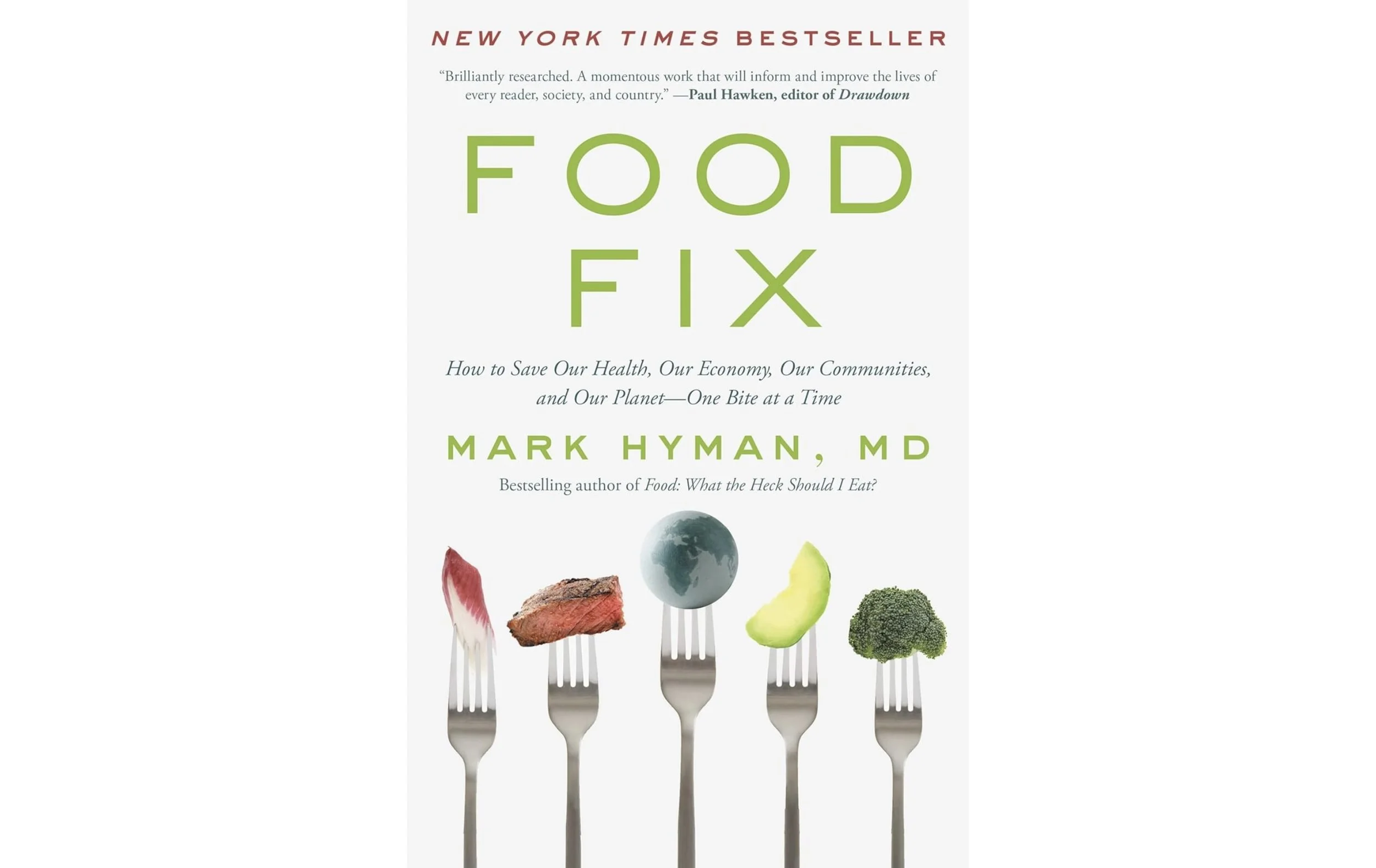
Food Fix
Food systems shape health at every level.
Dr. Mark Hyman examines how industrial agriculture, policy, and economics drive chronic disease worldwide. Rather than focusing on individual blame, this book connects food quality, access, and sustainability—showing how systemic change is essential for meaningful health outcomes.
-

The Toxic Solution
Modern life comes with constant chemical exposure.
Dr. Joseph Pizzorno outlines how environmental toxins accumulate in the body and contribute to chronic illness. The book explains practical ways to reduce exposure, support detoxification systems, and better understand how environment interacts with long-term health.
-
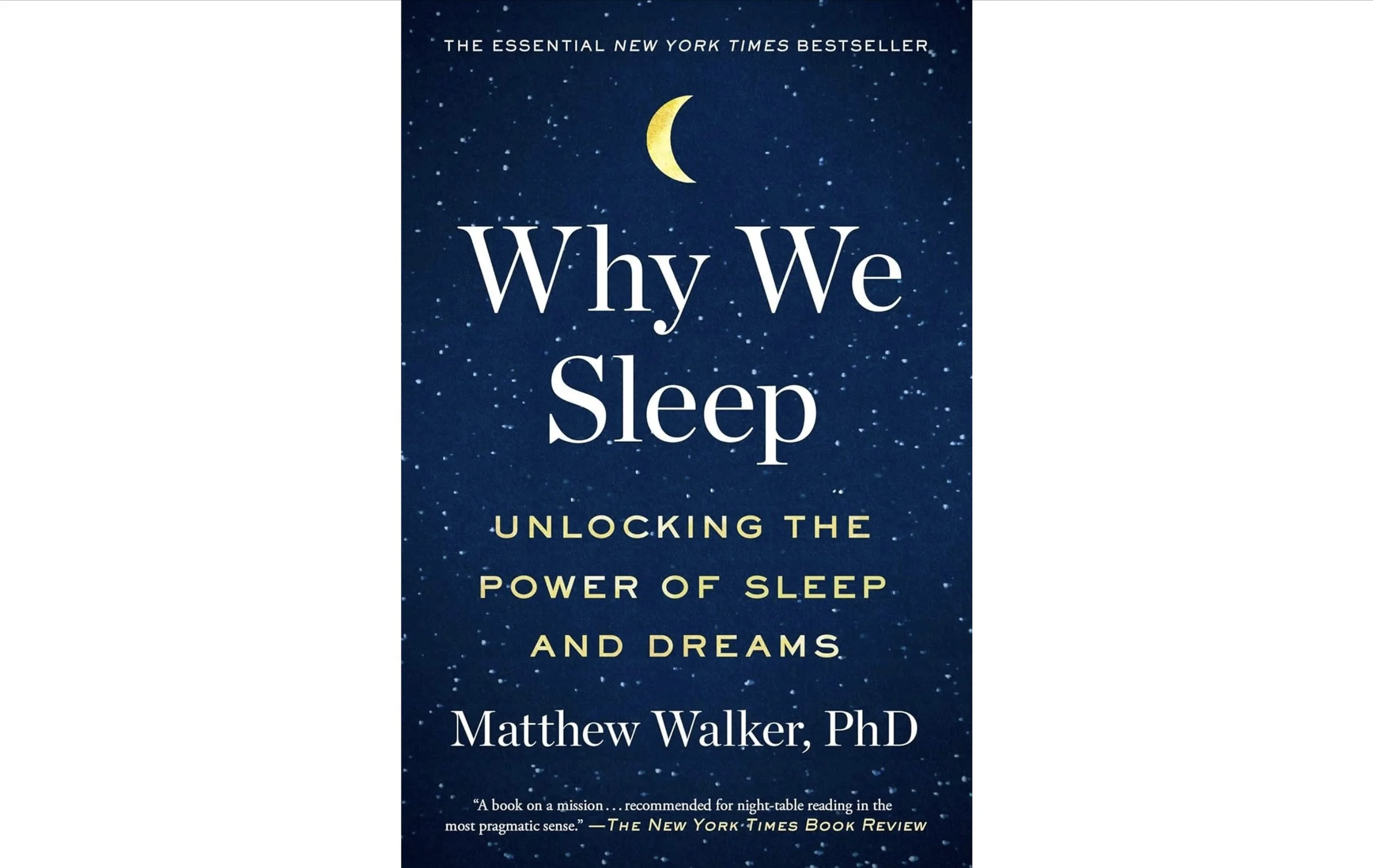
Why We Sleep
Sleep is a biological necessity, not a luxury.
Matthew Walker explains how sleep affects cognition, metabolism, immune function, and emotional regulation. Drawing from neuroscience and physiology, this book shows why consistent, quality sleep is foundational to both physical health and mental performance.
-

Winter Swimming
Cold exposure has long been part of Nordic health culture.
Dr. Susanna Søberg explores how brief, intentional cold exposure affects circulation, metabolism, immune response, and mental resilience. Drawing from research and physiology, this book explains how controlled cold stress may support long-term health when practiced safely and consistently.
-
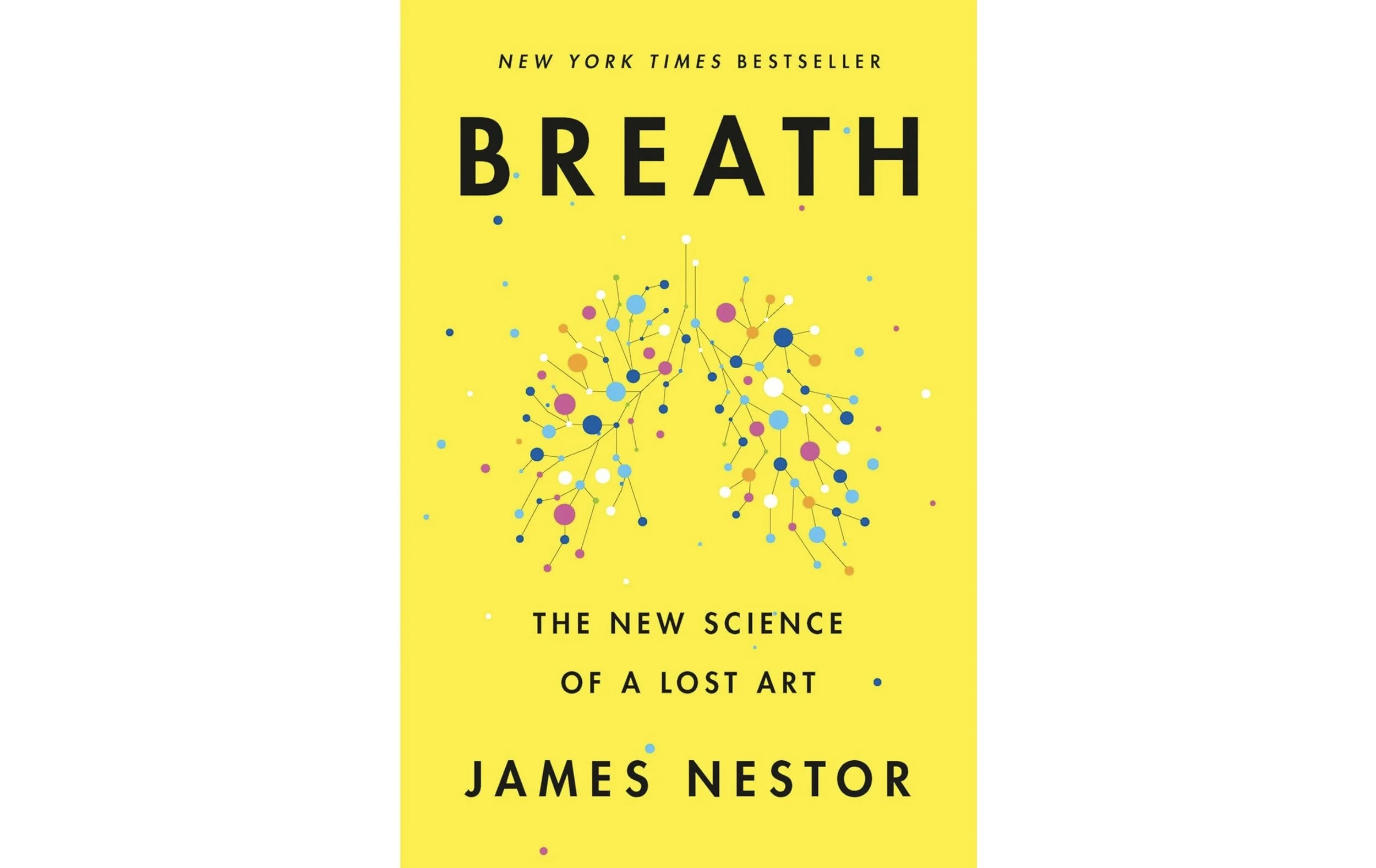
Breathe
How we breathe shapes how our bodies function.
James Nestor examines modern research on breathing mechanics and their impact on sleep, performance, and overall health. The book connects ancient practices with contemporary science, showing how subtle changes in breathing habits can influence resilience and physiological balance.
-

Quantum Healing
Health is more than isolated physical systems.
Deepak Chopra explores mind-body interactions through the lens of consciousness, perception, and emerging scientific concepts. While philosophical in nature, the book encourages readers to consider how thoughts, emotions, and awareness may influence healing and overall well-being.
Disclosure: As an Amazon Associate, we earn from qualifying purchases.
These links help support the continued growth of War on Wellness and allow us to keep our educational content accessible. We appreciate your support.